What is “Computer Science”?
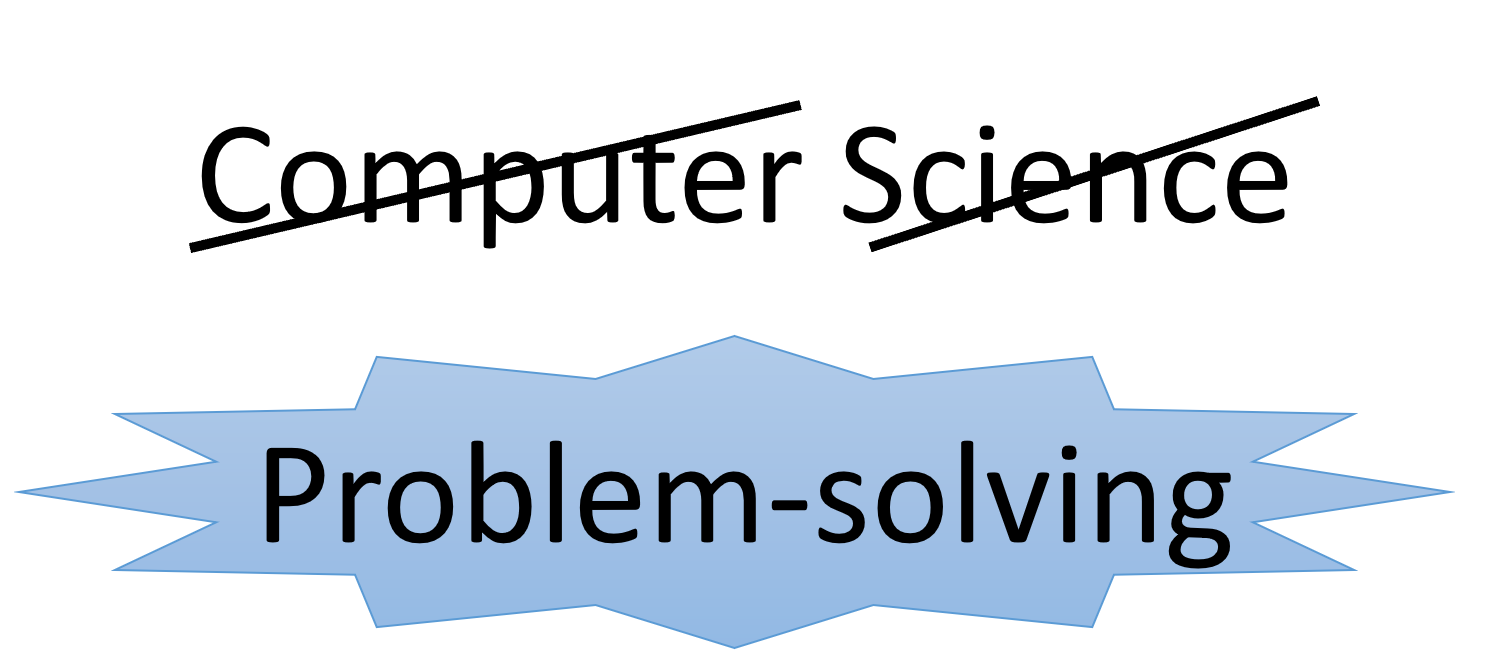
Computer Science is not really about computers, and it is not really a science. Instead, Computer Science is more about solving problems. Although we use many tools, Computer Scientists’ most common tool is Programming.
What is “Programming”?
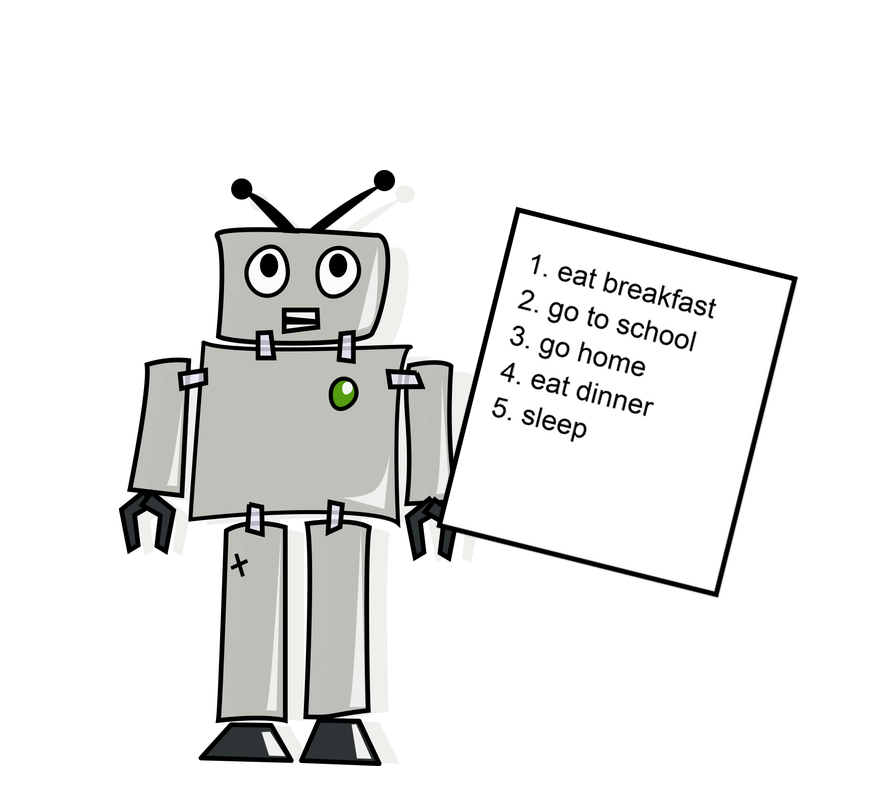
A program is a series of concrete instructions that can be carried out by a computer. A program can be thought of as a script for a play that will be performed by actors who follow instructions perfectly but without any intelligence of their own.
Alternate Terms
- Programs
- Software
- Applications
- Scripts
- Code
Just a note on terminology: Programs are sometimes called “Software”, “Applications”, “Code”, and “Scripts”.
Programs are everywhere
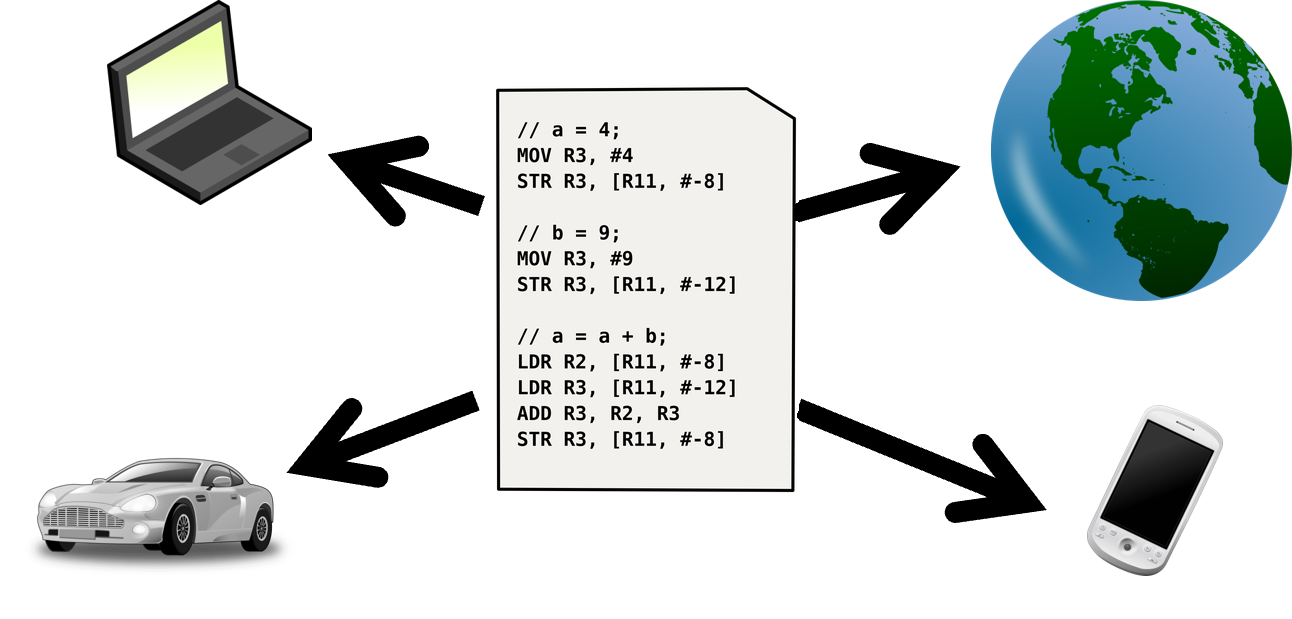
There are many kinds of programs that you use every day - your web browser, your music player, and even video games. Programs can be run on laptops, phones, cars - almost everything runs programs now.
Programs do many things

Photos: Mary Allen Wilkes - LINC at Home - 1965 by Rex B. Wilkes, CC BY-SA 4.0; Pair Programming by Calqui, CC BY-SA 3.0; both via Wikimedia Commons. Other photos: public domain (US Army, NASA).


Programming now shows up in every field, from engineering to the sciences to even the arts and humanities. Regardless of whether you want to be a computer scientist or just someone who knows a bit about programming, this is a skill that will come in handy.
Is programming magic?

You might think that some of the things that computers do are mysterious, but everything they do is the result of very careful instructions.
Limitations
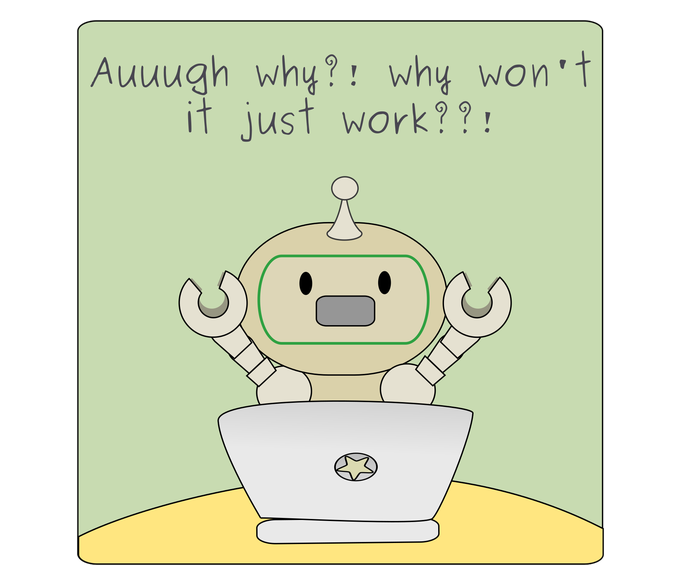
Although programming is very powerful, computers are not gods. In fact, programs can only do what people have told them to do. You must be very clear and explicit when writing programs.
Core Idea

Fundamentally, a program takes some representation of the world, manipulates it by following instructions, and then presents the results to the user. This core idea of translating between reality and digital data is the very heart of what we do as Computer Scientists.
Summary
Through this lesson, you learned that:
- Computer Science is the study of how to solve problems, often using programming.