Open up the case of any computer, from a phone to a laptop, and there is nothing magical inside: just a circuit board of connected electronic components. What makes that circuit board useful is not the hardware by itself, but a pattern every computer follows to turn raw electricity into something you can actually use.
The input, process, output model
Computer scientists describe what a computer does in three stages, with a fourth for whatever it needs to keep for later.
- Input is data being collected and sent to the computer: a key press, a mouse click, a microphone picking up sound.
- Process is the computer carrying out instructions on that data.
- Output is the result of that processing being presented back to you, most often as text, images or sound.
- Storage saves data that is not currently in use, so it survives after the power goes off, and can be loaded back in as input another time. That is why the arrow between Process and Storage points both ways: data moves in and out of storage in either direction.
In this course, input almost always means typing on a keyboard, and output almost always means text appearing on a screen, but the same four stages describe every computer, from a games console to a washing machine.
Real hardware, one part per stage
Each stage in the diagram above is handled by a specific piece of hardware inside the case.

A keyboard sends every key press into the computer.
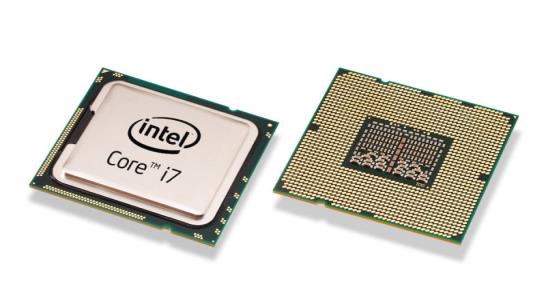
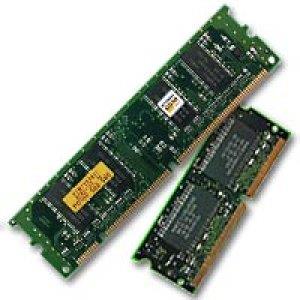
The CPU carries out instructions, using RAM to hold data it is currently working with.
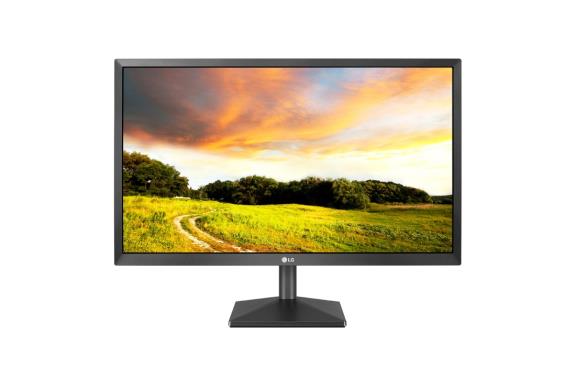
A monitor displays the results on screen.
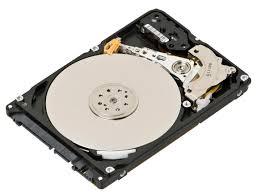
A hard disk keeps data even when the computer is switched off.
Exchanges data with Process.
Every one of those parts is fixed: the keyboard cannot decide by itself what counts as a valid key press, and the CPU cannot decide by itself what instructions to carry out. Something else has to describe, precisely and in order, what the “process” step should actually do. That description is an algorithm, and it is the subject of the next reading activity.